Climate-Controlled vs. Heated Mini Storage in Anchorage: What Alaska Winters Actually Require (2026)
Alaska winters demand smarter storage choices, and knowing whether you need heated or climate-controlled mini storage can protect your belongings from serious cold-weather damage. Anchorage, AK, sits in a region where temperatures can drop well below zero for weeks, making the difference between these two storage types more than a minor detail.
What Is the Difference Between Heated and Climate-Controlled Storage?
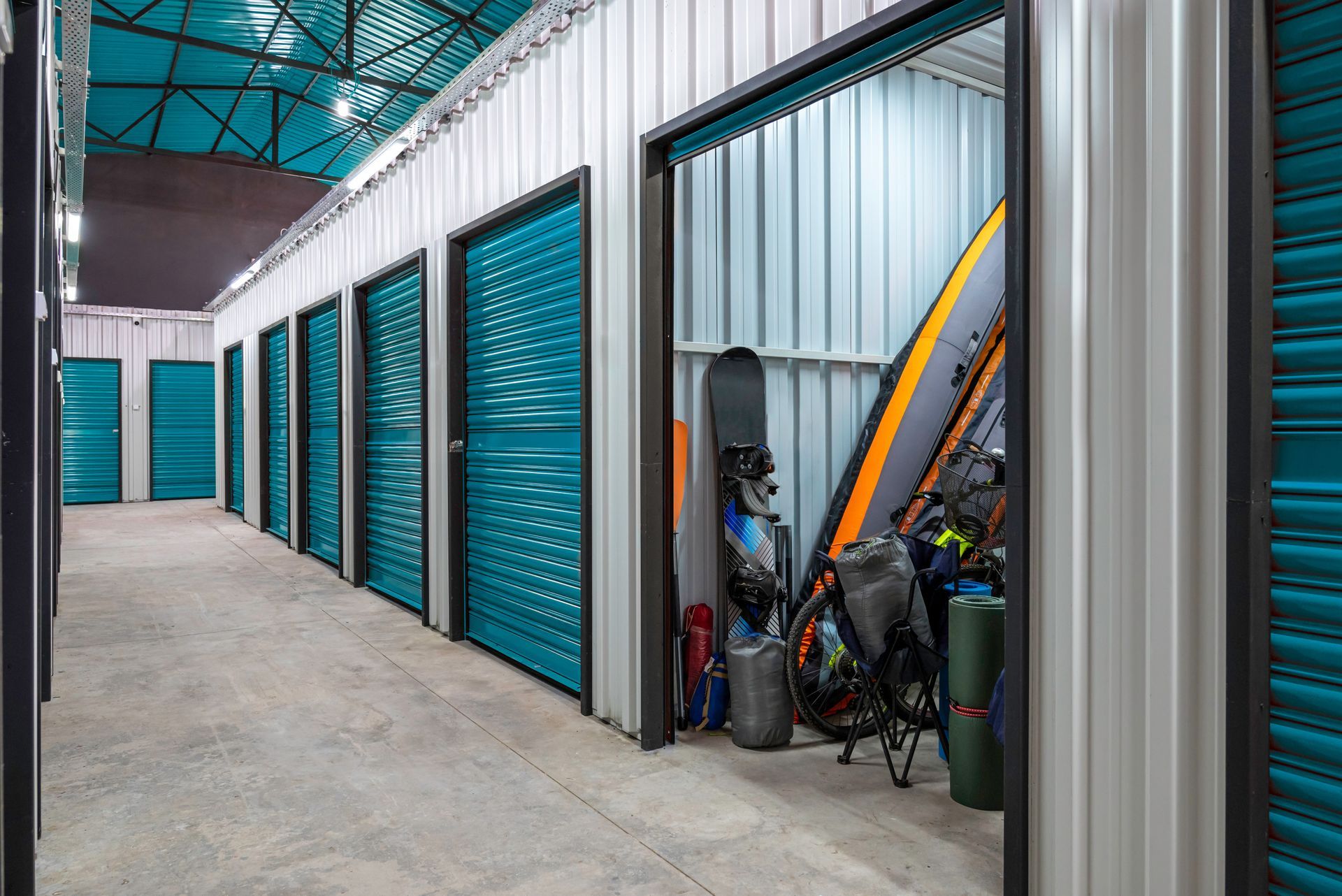
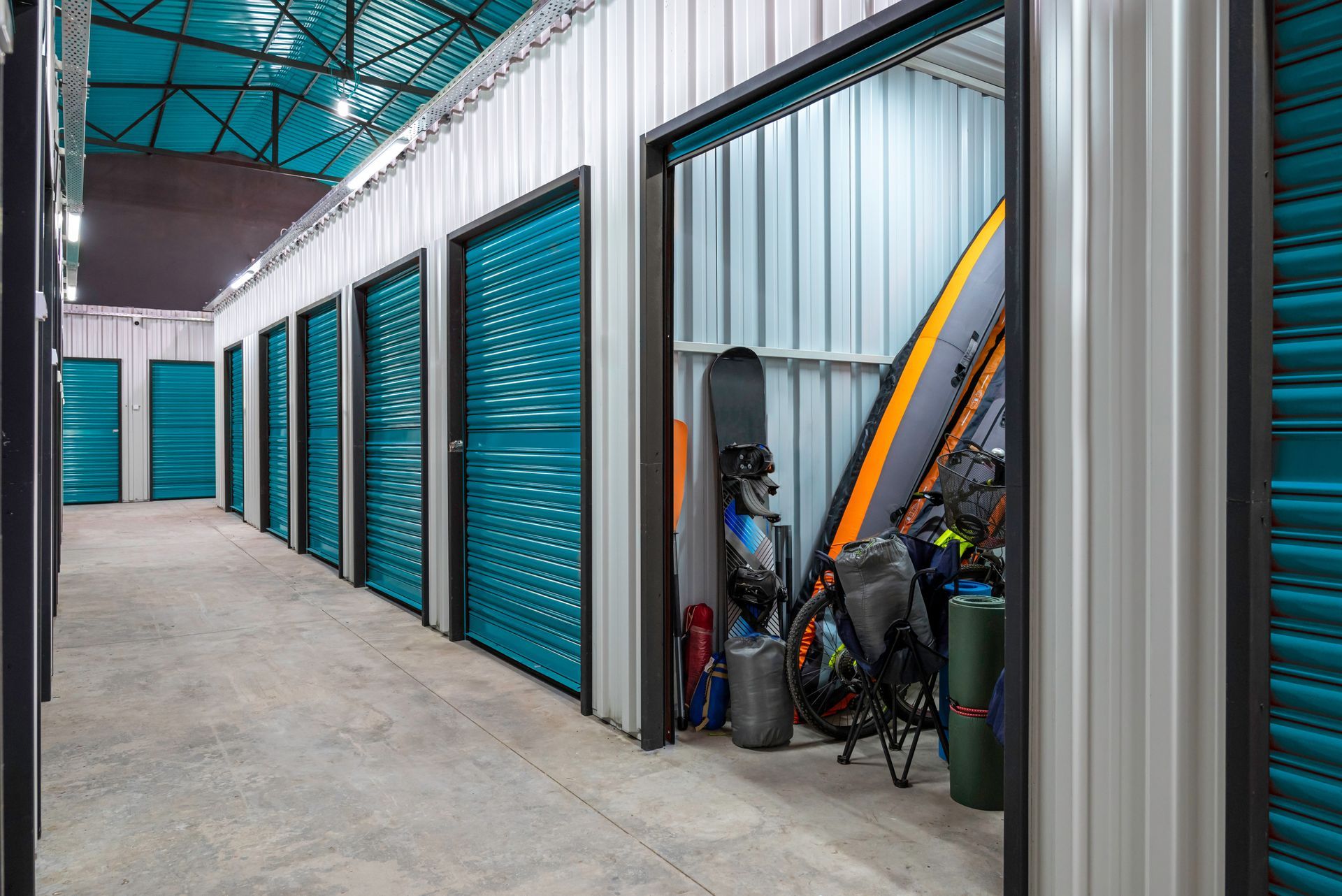
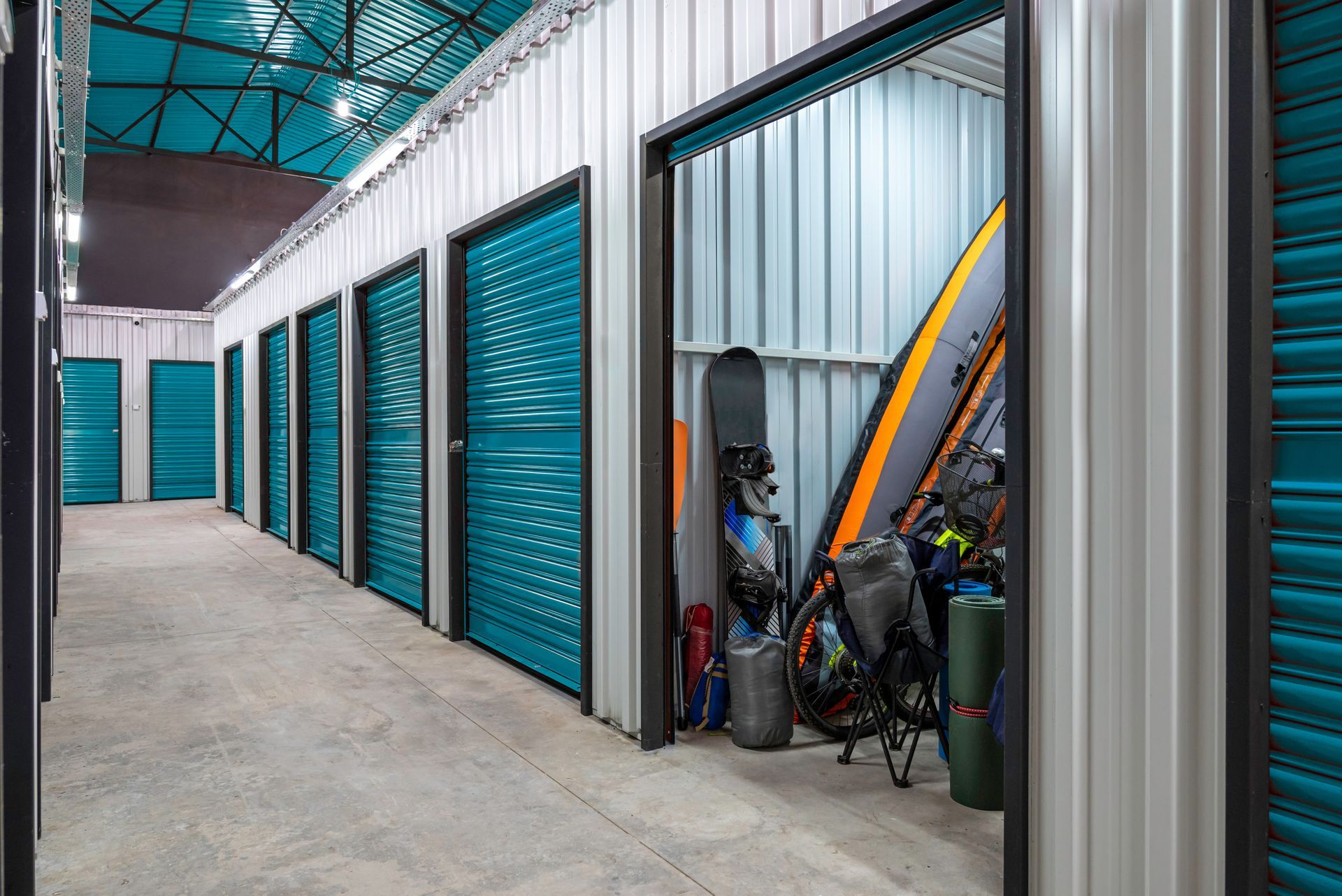
Indoor storage in Anchorage, AK, generally falls into two categories. A heated unit keeps temperatures above freezing during cold months, giving your belongings a basic freeze shield. It does not cool in summer and does not manage humidity. Climate-controlled storage does more. It uses an HVAC system to hold a consistent temperature range and manages humidity levels year-round. For Anchorage renters, the distinction matters because freeze-thaw cycles and trapped moisture can quietly damage items even inside an enclosed unit.
What Heated Storage Actually Does
Heated storage keeps your unit above freezing during winter months. Items like tools, outdoor gear, non-sensitive furniture, and seasonal equipment can often do well in a heated unit. If you are storing everyday goods that are not sensitive to humidity swings, heated mini storage in Anchorage, AK, may be a practical and cost-effective fit.
What Climate-Controlled Storage Does Differently
Climate-controlled storage maintains a stable environment in every season, shielding sensitive belongings from temperature swings and moisture buildup. Without humidity control, condensation from freeze-thaw cycles can damage wood, electronics, paper, and fabric. Items that typically benefit from climate control include:
▸ Wood furniture, which can warp or crack in dry, frozen conditions.
▸ Electronics, which can be damaged by moisture from freeze-thaw cycles.
▸ Documents, photos, and books, which may mildew from trapped humidity.
▸ Musical instruments, antiques, artwork, and leather goods.
▸ Clothing and mattresses stored over multiple seasons.
What Do Anchorage Winters Actually Require?
Anchorage winters are long, and temperatures can stay well below zero for extended stretches. Even inside a building, temperature swings and condensation can take a toll on stored items. When choosing mini storage in Anchorage, AK, the key question is what you are storing and for how long.
Anchorage Winter Storage Checklist
Before you rent a unit, run through this quick checklist:
▸ Identify items made of wood, leather, or fabric, as these may benefit from humidity control.
▸ Check whether any electronics, instruments, or documents are going into storage for more than a month.
▸ Confirm with the facility whether humidity management is included or only basic heat.
▸ Factor in rental length since Anchorage winters can run from October through April.
▸ For tools, sporting equipment, and non-sensitive boxes, a heated inside unit may be sufficient.
Anchorage renters storing sensitive belongings through a full Alaska winter will generally benefit most from climate-controlled conditions. Those storing rugged gear or short-term household items may find that heated mini storage in Anchorage, AK, offers enough protection.
Ready to Find the Right Unit for an Anchorage Winter?
Ship Creek Storage serves the Anchorage, AK, area with inside storage units and flexible month-to-month terms designed with local needs in mind. The team can help you match your belongings to the right unit type so nothing gets left out in the cold. Visit the inside storage page to explore available options, or contact us to ask about what works best for your items this winter. Call (907) 276-4107 to get started today.